
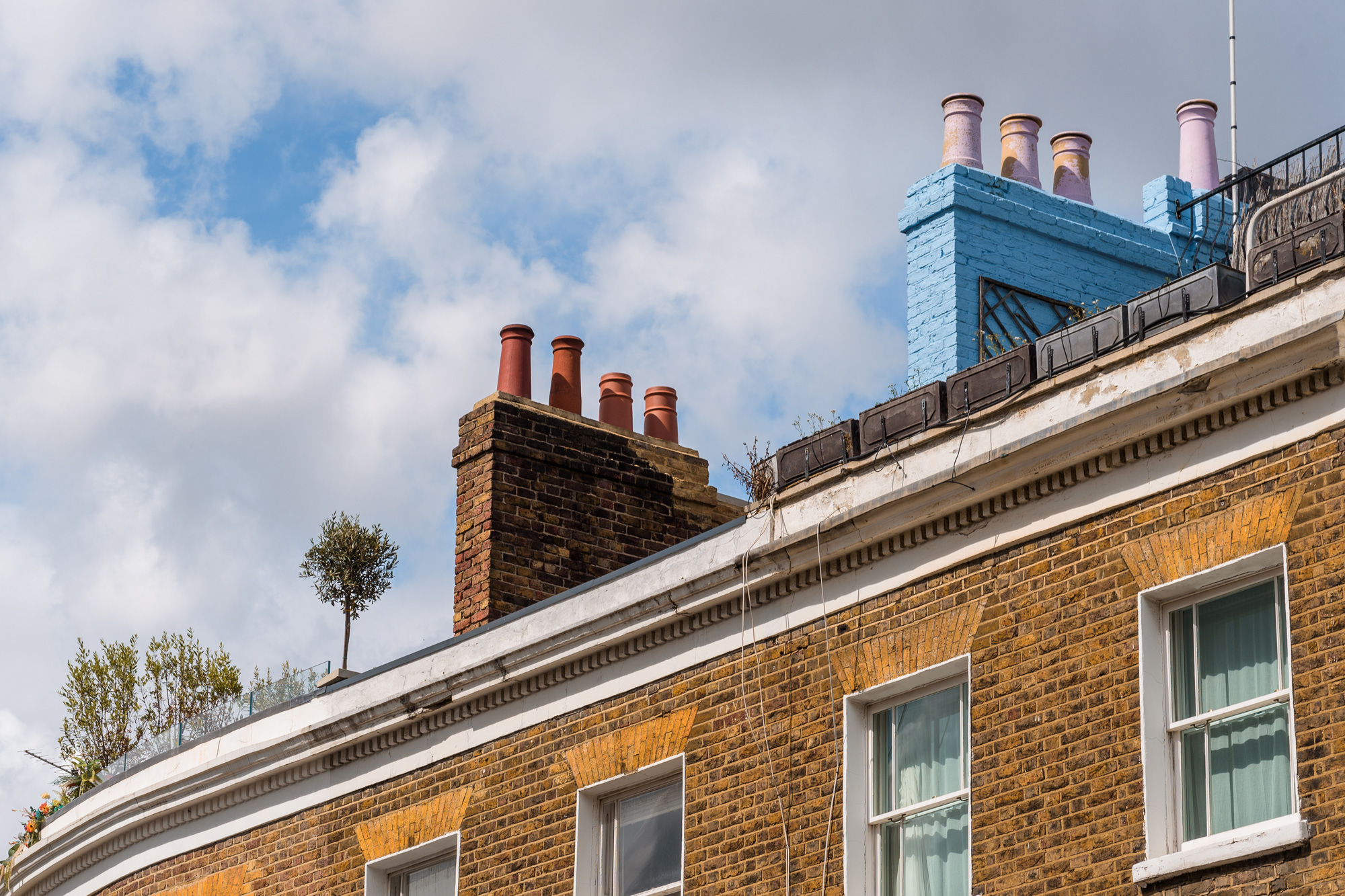
Chimneys are one of the most exposed parts of any roof. Rising above the roofline, they face the full force of Bristol’s wind, rain, frost and seasonal temperature changes. Yet despite their importance, chimney stacks are often overlooked until a serious problem appears inside the home.
What many homeowners don’t realise is that chimney damage usually starts small. Tiny cracks, deteriorating mortar or loose flashing may seem insignificant, but over time these weaknesses allow water to penetrate deep into the structure of your property. In Bristol, where damp conditions are common, even the smallest defect can develop into major structural damage if ignored.
This guide explains the early warning signs of chimney failure, why they should never be dismissed, and how timely chimney repairs can save you from far bigger roofing problems.
Why Chimneys Are Vulnerable in the Bristol Climate
Unlike other parts of the roof that benefit from overlapping tiles or protective membranes, chimneys are built using bricks and mortar that are directly exposed to the elements.
Bristol’s climate accelerates chimney wear through:
-
Heavy rainfall soaking into porous brickwork
-
Freeze–thaw cycles causing mortar to crack and crumble
-
Strong winds loosening flashing and chimney pots
-
Moss and algae growth holding moisture against the surface
Over time, this constant exposure weakens the entire structure.
The First Warning Signs of Chimney Trouble
Most chimney problems start subtly. Homeowners often overlook early symptoms, assuming they’re cosmetic. In reality, they are early distress signals.
Crumbling Mortar
Mortar is the glue that holds chimney bricks together. When it begins to erode, small gaps appear, allowing water to seep into the core of the chimney.
Hairline Cracks in Brickwork
Cracks may be tiny at first, but water expands inside them during freezing temperatures, widening them each winter.
Rust Stains or Damp Around the Fireplace
This often indicates failing flashing or internal water penetration.
Loose or Leaning Chimney Pots
These are not just decorative – they play a vital role in ventilation. When they become unstable, it usually means the stack beneath is deteriorating.
What Happens If You Ignore Chimney Damage?
Small cracks do not stay small for long. Once moisture gets inside the chimney, it can cause:
-
Internal damp patches spreading across upstairs ceilings
-
Rotting roof timbers around the chimney breast
-
Mould growth inside bedrooms and loft spaces
-
Brickwork spalling, where bricks begin to flake and crumble
-
Structural instability that can lead to partial chimney collapse
In severe cases, an unstable chimney becomes a safety hazard, particularly during high winds – something Bristol experiences frequently.
Common Chimney Repairs Explained
Repointing
When mortar deteriorates, repointing removes the damaged mortar and replaces it with fresh material. This restores strength and weather resistance.
Lead Flashing Repairs
Flashing seals the join between the chimney and roof. When it fails, water can run directly into the loft space. Replacing or resealing flashing is a vital chimney repair.
Brick Replacement
Spalled or cracked bricks must be replaced to prevent structural weakening.
Chimney Pot Securing or Replacement
Loose pots are fixed using specialist mortar or replaced if damaged.
Chimney Capping
If a chimney is no longer in use, fitting a cowl or cap prevents rainwater entering while still allowing ventilation.
How Chimney Issues Affect Your Entire Roof
A failing chimney doesn’t just damage itself – it places stress on the surrounding roof structure.
Water entering around the chimney breast can spread laterally through roof timbers, affecting insulation, felt and internal ceilings. By the time stains appear indoors, the damage is often far more extensive than homeowners expect.
This is why professional chimney repairs in Bristol are best carried out at the first sign of trouble.
Why Local Knowledge Matters
Bristol properties range from Victorian terraces to modern developments. Each type presents different chimney challenges.
Older homes often have lime mortar, which behaves very differently from modern cement. Using the wrong materials can accelerate deterioration rather than solve it. A local roofing specialist understands these differences and ensures repairs are compatible with your property’s construction.
The Cost of Early Repair vs Major Restoration
Repointing a chimney or replacing flashing is a relatively modest investment. Allowing the stack to deteriorate, however, can lead to:
-
Full chimney rebuilds
-
Extensive roof timber replacement
-
Major internal replastering
-
Long-term damp treatment
In almost every case, early chimney repairs cost a fraction of full structural restoration.
How Often Should Chimneys Be Checked?
Ideally, chimneys should be inspected every two to three years, or immediately after severe storms. This proactive approach allows small issues to be resolved before they escalate.
Protecting Your Home Long Term
Your chimney plays a critical role in both roof integrity and internal ventilation. Keeping it in good condition isn’t optional – it’s essential for protecting your home.
If you’ve noticed cracking, damp patches or loose chimney components, arranging professional chimney repairs in Bristol now could prevent years of costly and disruptive repair work later.
